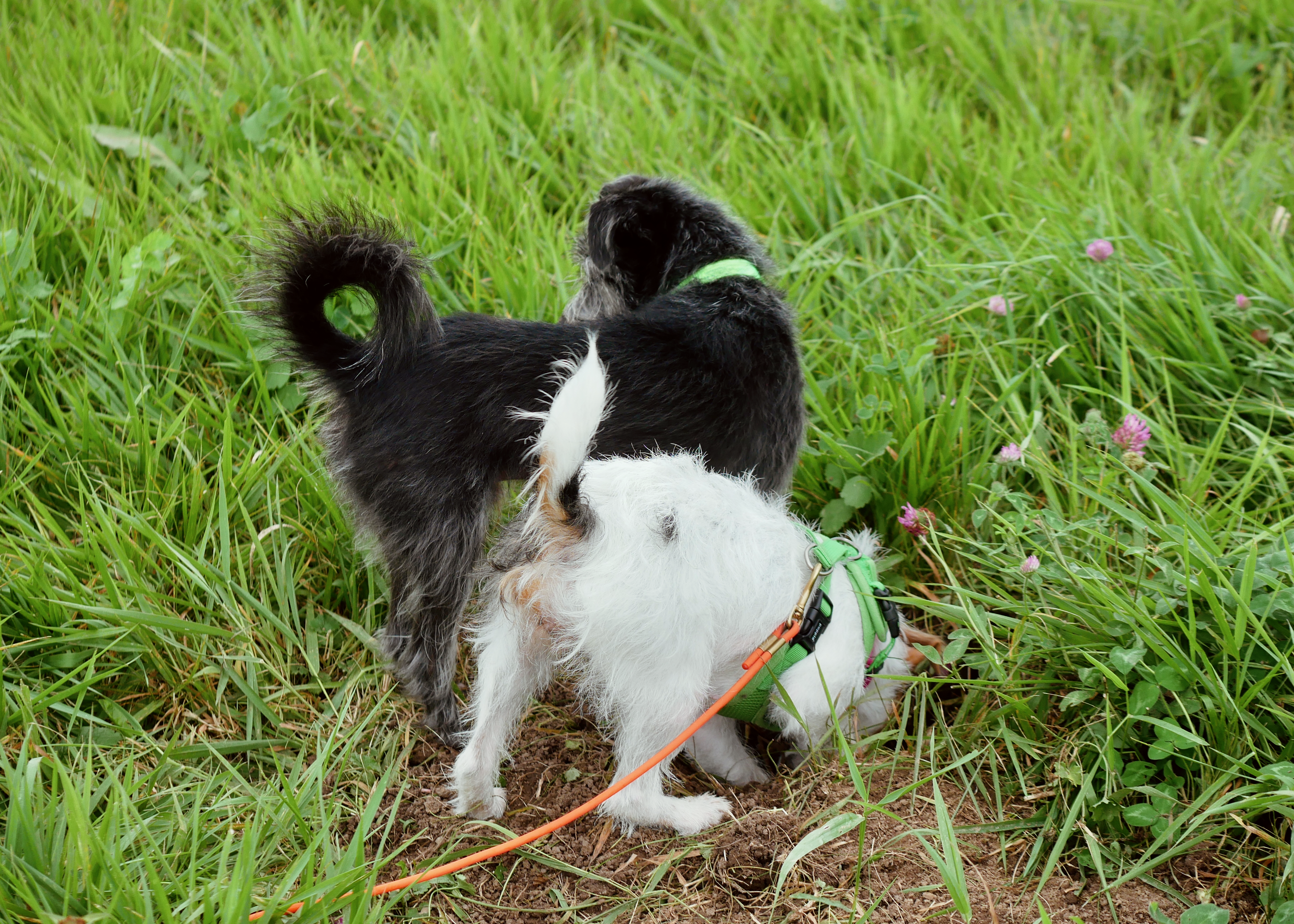
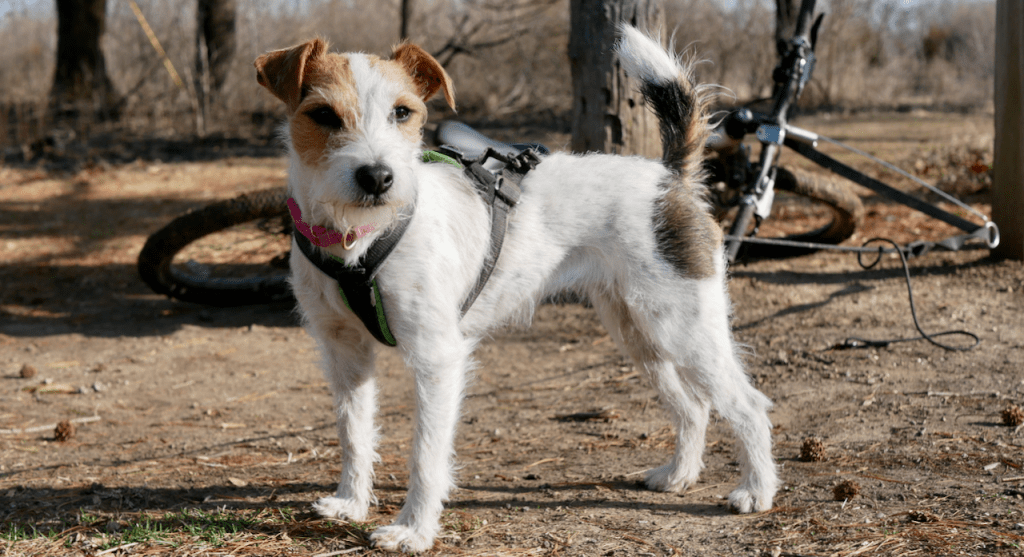
Lottie is my 12lb jack russell terrier, and she loves to bikejor with me! While small dogs like Lottie can do this and other dog powered sports safely, there are some important aspects to bikejoring that their size influences. From my perspective as a new competitor, here’s 5 things to keep in mind!
1 – Equipment
Harnesses and lines for this sport are typically made with dogs 35lb+ in mind—which may make it tricky to find gear that fits your small dog. Luckily, some companies like Inlandsis, Axaec, Non-stop dogwear, and Lumac stock smaller sizes! You can also go with custom options to make sure your dog ends up with the perfect fit.
Lines:
- Look for lighter-weight options
- If not made for small dogs, get lines with removeable clasps
- Consider longer lines (this gives you more time to stop + reduces the attachment angle)
Harnesses:
- Full-back harnesses are an option!
- Webbing must be narrow enough to avoid chafing between your dog’s front legs.
- If going custom, ask for previous experience making small dog sized harnesses.
2 – Falls
When you outweigh your dog by 10x or 20x, any sudden movement on the leash has the potential to be very unpleasant for them. Unfortunately, we can’t always avoid falls! We can, however, reduce the risk that they will happen:
- Practice your own bike skills without your dog!
- Consider trail conditions—know what you are comfortable riding and don’t risk your dog for a single training session.
- Always always always be observing your dog and the environment around you. The more time you have to react, the more likely you are to react safely.
If you have fallen, be prepared for your dog to be a bit nervous getting started again. After I crashed my bike with Lottie, she started noticing every loud sound behind her, like branches snapping. With encouragement and more runs without falling, she stopped caring and got her confidence back!
3 – Stopping distance
It is so much easier for a 15lb dog with four legs to stop than it is for you to stop on a bike. While we can hope that our foundation training will keep our dog from using their ability to stop on a dime, it does happen. And unfortunately, if it happens while you are going full speed, you may run into your dog.
This is one of the biggest reasons I recommend having a bike with hydraulic disc brakes. They may seem unnecessary with a small dog, but they make stopping your bike faster and safer—which can be key if your dog does pull that move.
You also should be observing your dog for any kind of behavior change the entire time you are on the trail. My dogs will often slow slightly before stopping to go to the bathroom, for instance. And besides your dog, pay attention to trail conditions. Last season I was able to get out 2-3x a week fairly consistently, and one of the biggest benefits was getting more practice in a variety of weather conditions.
Finally, work on those foundations—both for your dog and for your bike skills! Canicross is a great way to teach your dogs how to keep consistent tension on the line out ahead of your bike with much less risk.
4 – Passing
Most small dog owners are already very aware of the danger posed by other dogs, because no matter what activities you choose to do with your dog outside, unfortunately their size places them at greater risk.
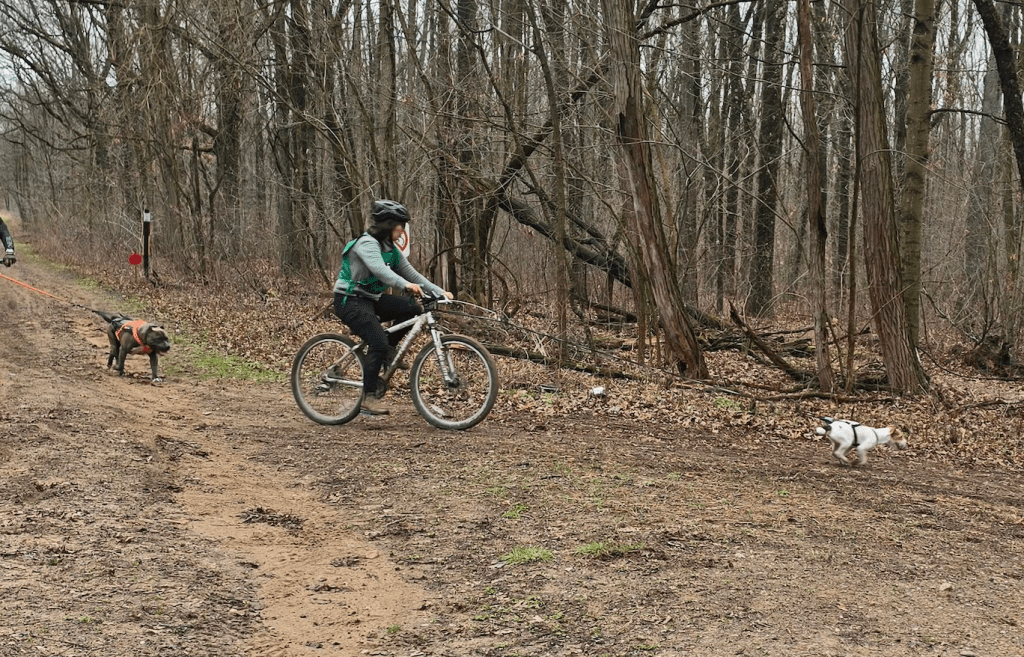
Personally, I will not pass a strange dog while doing bikejoring training. Many dogs are (not unreasonably!) very surprised to have a dog come racing by them or towards them at speed, followed by a bike. Some dogs will even react by nipping or biting, and that’s just not worth the risk! Instead, I practice passing skills with dogs that I know personally. Here’s how I handle each situation:
Strange dogs:
- I stop, pick up Lottie, and hold her under my arm over my bike.
- I confirm that the dog ahead is on-leash and under control.
- I walk past, giving as much distance as possible. This is also a great opportunity to be an ambassador for bikejoring and answer any questions the other dog owner might have!
Known dogs:
- Choose dogs to practice with who are focused on bikejoring, socially appropriate, and ideally have spent time around small dogs.
- Avoid dogs who are over-aroused or have histories of predatory aggression.
- Begin with wider trails and only gradually try narrower ones.
5 – Pedaling
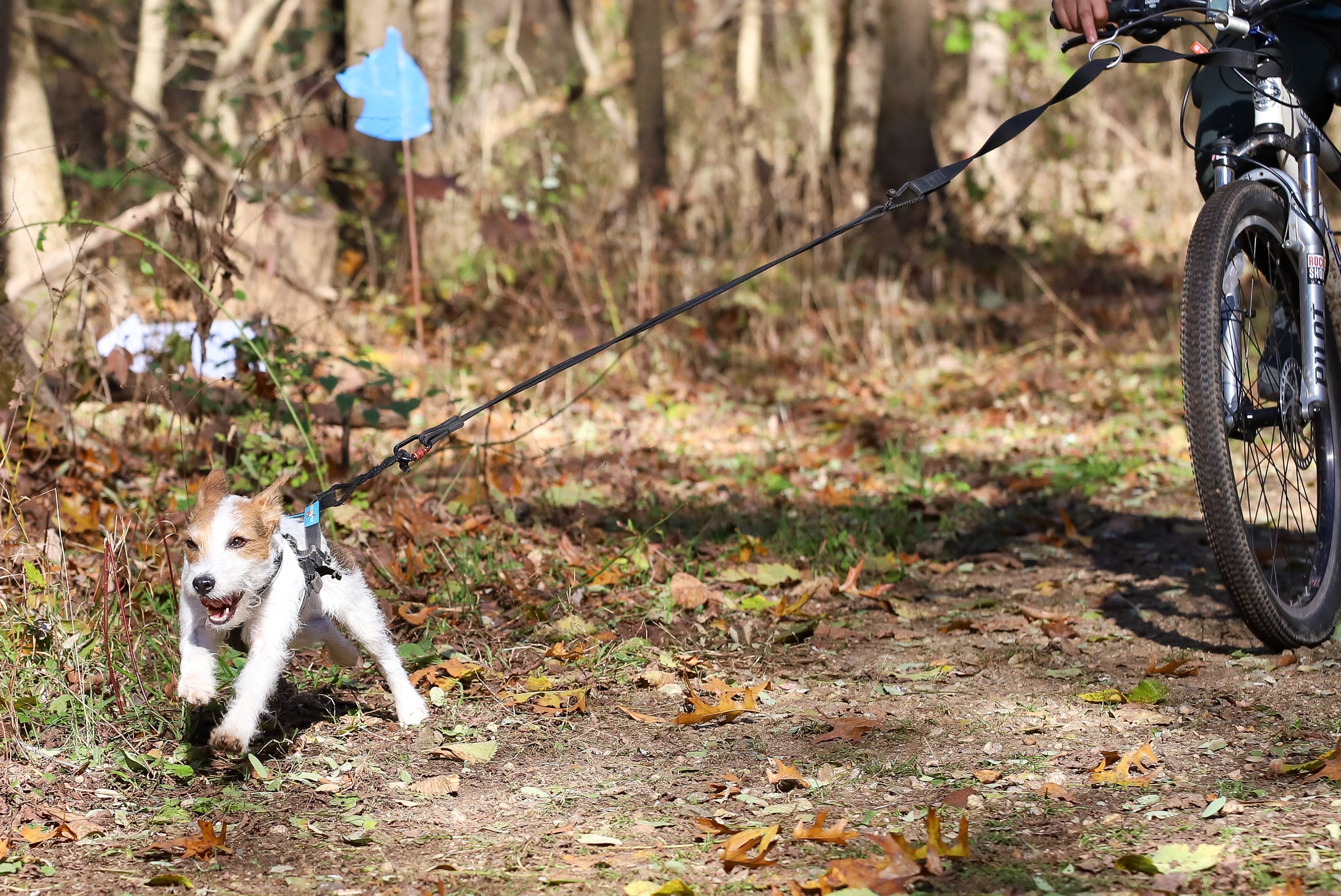
Yes, you will have to pedal with a smaller dog! I pedal constantly, except on descents. Lottie loves to run as fast as she can, so I try to pedal enough that she’s able to maintain that speed with an appropriate amount of tension on the line. On inclines, I have to work very hard to keep Lottie from becoming demotivated by the anchor behind her!
Depending on your dog and your biking fitness, however, it’s possible you will find yourself limited by your dog’s top speed. Lottie and I average about 8.5-9.5mph together, with a top speed of about 15mph. This means I’m often not pedalling my top speed—Lottie is always leading and I’m just helping her move the weight of the bike.
 Tils & Lottie
Leave a comment